Community
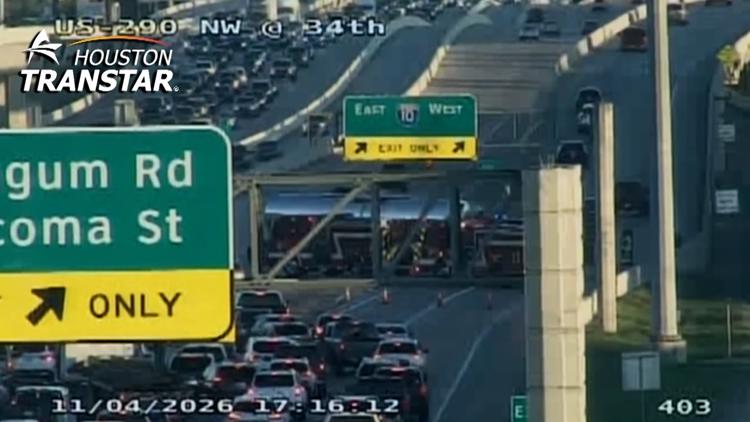
Jackknifed tanker truck shuts down 290 near the Loop
By Carlos Morales
Advertisement · Why this ad?
Derek Wilson is a seasoned sports journalist who has spent the last 8 years reporting for local sports blogs and community magazines. He attended Sam Houston State University, where he honed his skills in storytelling. Derek now covers Pearland's vibrant community sports scene.
More from Derek →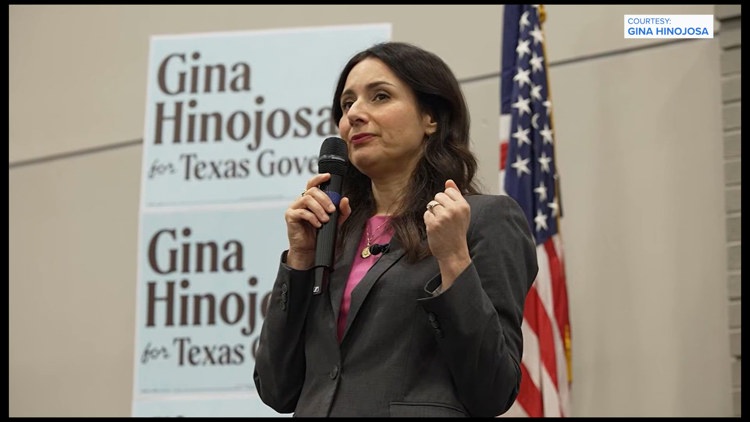
On a sunny afternoon in Pearland, families gathered at local parks, children laughing and playing, while parents chatted about the latest news. Among the topics of conversation was a proposal that could put $1,500 into the hands of Texans. But as excitement buzzed in the air, uncertainty loomed over how and when this plan would come to fruition.
Recently, Gina Hinojosa, the newly elected governor of Texas, unveiled a bold plan that aims to distribute $1,500 to every Texan. This proposal is not just a fleeting idea; it’s built on the foundation of the state’s robust rainy-day fund, which currently stands at an impressive $17 billion. However, while the proposal has sparked hope among many, it still lacks a clear timeline for implementation.
The proposal comes at a time when many families are feeling the pinch of rising living costs. Hinojosa's plan is seen as a potential lifeline for those struggling to make ends meet. Yet, it’s essential to note that no specific payment or distribution date has been approved yet. For residents of Pearland and beyond, this leaves many questions hanging in the air.
While the idea of receiving $1,500 is enticing, it’s important to understand the steps that must be taken before this plan can become a reality. The state legislature will need to approve the use of these funds, and that process can often be lengthy and complicated. As we look deeper into the proposal, it’s crucial to consider how this could impact families across Texas.
In Pearland, the reaction to Hinojosa's proposal has been largely positive. Local residents expressed their enthusiasm, with many seeing the potential payment as a much-needed boost for families. “This could really help us with groceries and bills,” said local mom Jessica Martinez, who is raising three children. “Every little bit counts, especially with everything going up in price.”
However, not everyone is convinced. Some residents are wary, recalling past promises that didn’t come to fruition. “I want to believe it, but I need to see it to believe it,” said Tom Richards, a retired school teacher. “It’s easy to make promises, but we need action.” This skepticism is common in communities that have seen similar proposals come and go without substantial follow-through.
The local chamber of commerce has also weighed in, noting that any financial relief could stimulate the economy. “If families have extra cash, they’re likely to spend it on local businesses,” said Chamber President Linda Thompson. “It’s a win-win for our community.” This sentiment reflects a broader understanding of how financial relief can have a ripple effect, benefiting not just individuals but the entire local economy.
As residents continue to discuss the potential impact of the proposal, community leaders are urging caution. “While we all hope for the best, it’s important to stay informed and engaged in the process,” said Pearland City Council member, Sarah Lewis. “We need to advocate for our families and ensure that this plan is executed properly.”
For the proposal to move forward, several crucial steps must be taken. First, the Texas legislature will need to convene and discuss the details of the plan. This will likely happen in the upcoming session, where lawmakers will debate the merits of utilizing the rainy-day fund for direct payments to residents. If they approve the proposal, the next hurdle will be determining how to distribute the funds effectively.
Experts suggest that a direct deposit system could be the most efficient way to get money into the hands of Texans quickly. However, there are logistical challenges that need to be addressed, such as ensuring that everyone who qualifies receives their payment. This could involve updating state databases and ensuring that all eligible residents are accounted for.
The legislative process can be slow, and residents are encouraged to stay informed about the discussions happening in Austin. Regular updates will be provided by local representatives, and community forums will likely be organized to discuss the implications of the proposal. Engaging with local leaders can help ensure that the voices of Pearland residents are heard during this critical time.
As the timeline for the proposal remains uncertain, many are looking ahead to what this could mean for the future of Texas families. If approved, the payments could be a significant step towards financial stability for many households, particularly those struggling to make ends meet.
As residents of Pearland navigate this uncertain terrain, community engagement will be vital. Local organizations, churches, and civic groups are encouraged to host discussions and provide resources to help families understand what this proposal means for them. The importance of strong families and community support cannot be overstated, especially during challenging times.
Many families in Pearland are built on strong values, and the potential financial relief could help them maintain stability. As we continue to see the effects of economic fluctuations, it’s essential to remember that we are all in this together. Building a supportive community can help us weather any storm.
As we look to the future, it’s clear that the proposed payments could bring hope to many families. However, it’s essential to stay informed and engaged with the legislative process. The more we understand what’s happening, the better positioned we will be to advocate for our needs and support one another.
To truly grasp the impact of Hinojosa's proposal, it's important to highlight personal stories from residents. For instance, Maria Gonzalez, a single mother of two, shared her thoughts: “I work two jobs just to pay the bills. If I could get that $1,500, it would mean I could finally take my kids out for a day of fun without worrying about how to pay for it.” This sentiment resonates with many in the community who are feeling the burden of financial strain.
Another resident, James Parker, a local small business owner, expressed cautious optimism. “As a business owner, I know how important it is for families to have disposable income. If this plan goes through, I hope it translates to more customers in my store. But I’ve seen too many plans fall through before.”
The implications of this payment plan extend beyond immediate financial relief. If implemented, it could serve as a model for other states grappling with similar economic challenges. The success or failure of this initiative could influence future policy decisions in Texas and beyond. Observers are keenly watching how Hinojosa navigates this proposal, as it may set a precedent for how state governments respond to economic crises in the future.
In conclusion, while the prospect of receiving $1,500 is exciting, it’s crucial to approach the situation with a blend of hope and caution. Pearland residents should stay informed, engage with local leaders, and prepare for the potential changes ahead. With a strong sense of community and commitment to one another, we can navigate whatever comes our way.
By Carlos Morales
By Derek Wilson

By Carlos Morales
By Lila Ramirez