
Community
Former Turkey Leg Hut owner sentenced to more than 8 years in federal arson case
By Lila Ramirez
Advertisement · Why this ad?
Lila Ramirez brings over 15 years of journalism experience to Pearland Current, having previously served as a lead reporter for the Houston Chronicle. A graduate of the University of Houston, she has a passion for community storytelling and has won multiple awards for her in-depth profiles of local residents and events. Lila is deeply invested in Pearland, serving on various community boards.
More from Lila →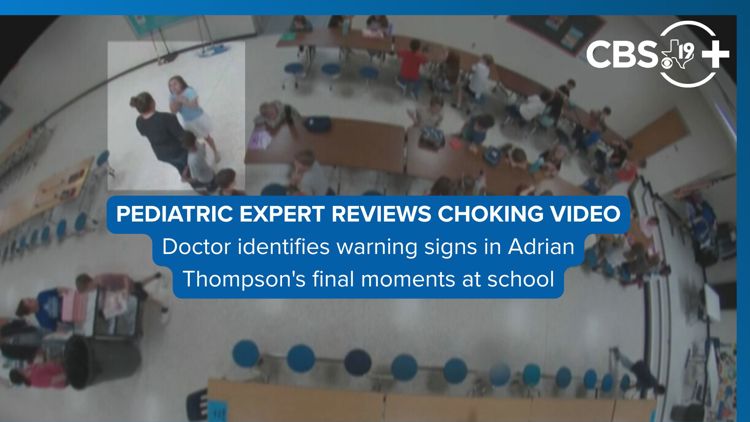
On a sunny afternoon in Pearland, Texas, a mother found herself in a nightmare scenario that no parent ever wants to face. As she prepared a meal, her young daughter, full of life and laughter, suddenly began to cough and gasp for air. Within moments, the joyful sounds of play turned into a desperate struggle for breath. This tragic incident, which ended in the loss of a precious life, serves as a stark reminder of the critical need for awareness surrounding choking emergencies in children.
The heartbreaking event unfolded in early October, when a five-year-old girl experienced a choking episode that her family could not have anticipated. According to pediatric expert Dr. Scott Hadland, choking in children often presents subtle signs that can easily be overlooked by adults. “The first signs of choking can be difficult to recognize, especially when a child is still able to make sounds or communicate,” he explained during a recent interview.
In this particular case, the child was playing with food, a common activity for little ones who are just beginning to explore their independence. While her mother was nearby, the warning signs of distress were not immediately apparent. Dr. Hadland emphasizes that even when a child can cough or make noise, they may still be in grave danger. “It’s essential for caregivers to be vigilant and aware of the signs of choking,” he added.
The incident serves as a tragic reminder of the importance of education and preparedness in emergency situations. Many families may not know how to respond effectively when a choking emergency occurs, and this lack of knowledge can have devastating consequences. The Pearland community is now grappling with the aftermath of this loss, reflecting on how such tragedies can be prevented in the future.
Choking is a leading cause of injury among children, and understanding the risks involved is crucial for parents and caregivers. According to the Centers for Disease Control and Prevention, children aged 1 to 3 are particularly vulnerable due to their natural curiosity and tendency to put objects in their mouths. This age group is often at risk not only from food but also from toys, household items, and small objects.
Dr. Hadland points out that certain foods pose a higher risk for choking, including hot dogs, grapes, and nuts. “These foods can easily obstruct a child’s airway, especially if not cut into appropriate sizes,” he cautioned. This incident in Pearland highlights the importance of cutting food into manageable pieces and supervising children during mealtime.
The Pearland community has rallied together in the wake of this tragedy, with many parents sharing their own experiences and concerns. Local parenting groups have begun organizing workshops aimed at educating families about choking prevention and first aid techniques. “We want to ensure that no other family has to go through this,” said one concerned parent, who has taken it upon herself to lead these discussions.
The loss of a child is a tragedy that resonates deeply within any community. In Pearland, this incident has sparked conversations about safety and vigilance in childcare. Local schools, such as Pearland Independent School District, are also taking proactive measures by integrating safety education into their curriculums.
School officials have expressed their commitment to educating both children and parents about the dangers of choking. “We believe that by raising awareness, we can help prevent similar tragedies in the future,” stated a representative from the district. The schools are collaborating with health professionals to develop age-appropriate materials that will be distributed to families.
In addition to school initiatives, local businesses are stepping up to support the community. Restaurants and food vendors are starting to implement new guidelines for food preparation and service, ensuring that meals for children are served in safe, manageable portions. “As a local business, we feel a responsibility to our community,” said the owner of a popular family restaurant. “We want to make sure that every child can enjoy their meal without the risk of choking.”
In light of this tragedy, Pearland has seen a surge in community-driven initiatives aimed at increasing awareness of choking hazards. Local health organizations, such as the Houston Health Department, are offering free workshops that focus on choking prevention and first aid. These sessions are designed to equip parents with the knowledge and skills needed to respond effectively in an emergency.
Dr. Hadland has been actively involved in these workshops, sharing his expertise and insights with families. “The goal is to empower parents and caregivers with the tools they need to act quickly and confidently during a choking emergency,” he said. Attendees have praised the workshops for their practical approach, often including hands-on demonstrations of the Heimlich maneuver and CPR techniques.
Community leaders are also advocating for the implementation of choking prevention education in local childcare facilities. By ensuring that caregivers are trained in emergency response, the hope is to create a safer environment for all children. “We must prioritize the safety of our children,” one local leader emphasized during a recent town hall meeting. “Education is key to preventing future tragedies.”
As Pearland continues to heal from this heartbreaking loss, the community is united in its commitment to preventing future choking incidents. Families are encouraged to engage in open discussions about safety and to participate in local workshops and training sessions. The message is clear: Awareness and preparedness can save lives.
In the coming months, the Pearland community will host a series of events aimed at promoting child safety. These include safety fairs, educational seminars, and family fun days that incorporate learning about choking hazards in a fun and engaging way. “We want to make safety a priority while also fostering a sense of community,” said a local organizer.
Furthermore, local healthcare providers are working on creating resources that families can easily access, such as pamphlets and online guides. These materials will serve as reminders of the importance of vigilance and preparedness in everyday situations. The hope is that by spreading awareness, the community can work together to protect its most vulnerable members.
Ultimately, the loss of one child is one too many. The Pearland community is determined to honor the memory of the young girl by ensuring that her story leads to meaningful change. Through education, awareness, and a shared commitment to safety, the hope is to create a safer environment for all children.
By Lila Ramirez

By Lila Ramirez

By Derek Wilson
By Lila Ramirez