Community
Former Turkey Leg Hut owner sentenced to more than 8 years in federal arson case
By Lila Ramirez
Advertisement · Why this ad?
A graduate of Texas A&M University, Marcus Chen has dedicated the last 12 years to covering education policy and local school issues. Before joining Pearland Current, he worked at NPR's Houston affiliate, where he reported on significant education reforms affecting the state. Marcus is known for his insightful analyses of school funding and educational equity.
More from Marcus →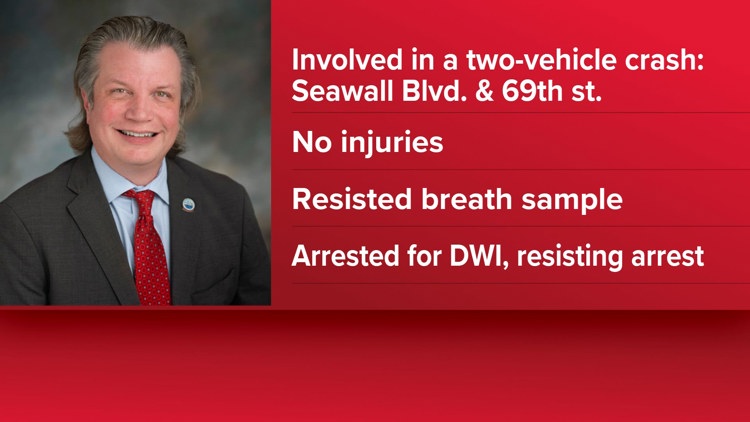
As the sun dipped below the horizon, casting a warm glow over Galveston, Councilmember Hardcastle was at the center of a troubling scene. The sound of sirens pierced the evening calm, as police responded to a crash involving the elected official. What unfolded next would not only raise eyebrows but also spark discussions about accountability in local government.
On a recent evening, Galveston City Councilmember Hardcastle was arrested following a traffic incident that has since drawn significant media attention. According to police reports, no injuries were sustained from the crash, which occurred during the investigation of Hardcastle's behavior. Officers observed signs of intoxication, prompting them to conduct further inquiries. The councilmember was subsequently charged with Driving While Intoxicated (DWI) and resisting arrest.
This incident raises serious questions about the responsibilities that come with public office. Hardcastle, who has served on the city council, has now found himself in a position that many would argue undermines the trust placed in elected officials. The implications of such actions extend beyond personal consequences; they resonate throughout the community.
The reaction from Galveston residents has been swift and varied. Many expressed disappointment, noting that public figures should exemplify the values they advocate for. Maria Gonzalez, a lifelong Galveston resident, shared her thoughts: "We expect our leaders to set a good example. This is not what we want to see." Such sentiments are echoed by others who believe that accountability is essential in maintaining the integrity of local governance.
In contrast, some community members have voiced a desire for understanding and forgiveness, emphasizing the importance of second chances. James Smith, a local business owner, remarked, "Everyone makes mistakes. It’s how we handle them that defines us. I hope he can learn and grow from this experience." This duality in community response reflects a broader conversation about the expectations of public servants and the grace afforded to them in times of personal crisis.
The implications of Hardcastle's arrest extend beyond the individual. Councilmembers are often seen as role models, and their actions can influence public perception of the entire governing body. In a city like Galveston, where tourism and community engagement are vital, maintaining a positive image is crucial. The council’s ability to function effectively could be jeopardized if constituents lose faith in their leaders.
The ripple effects of this incident may also lead to a reevaluation of the standards by which local officials are held accountable. Galveston has a rich history of civic engagement, and many residents are now calling for a community forum to discuss the ethical expectations of elected officials. Community leaders, including representatives from local advocacy groups, are likely to step forward to facilitate these discussions, emphasizing the need for transparency and ethical governance.
Furthermore, this incident may prompt discussions regarding the need for stricter guidelines and accountability measures for local officials. As cities across the country grapple with similar issues, Galveston has the opportunity to set a precedent for transparency and ethical behavior in governance.
Facing charges of DWI and resisting arrest, Hardcastle's path forward is fraught with legal challenges. If convicted, the repercussions could range from fines to potential jail time, depending on the severity of the case and any prior offenses. Legal experts suggest that Hardcastle may benefit from seeking counsel to navigate the complexities of the judicial system.
Moreover, the councilmember's political future hangs in the balance. Depending on the outcome of the legal proceedings, there could be calls for resignation or a push for accountability from constituents. This situation underscores the importance of ethical conduct for those in positions of power and the potential fallout from personal missteps.
In the meantime, local political analysts are closely monitoring the situation, recognizing that Hardcastle's case could set a significant precedent for how similar incidents are handled in the future. The potential for increased scrutiny on elected officials may lead to a shift in how campaigns are run, with candidates possibly focusing more on their personal conduct and community engagement as a means to reassure constituents.
In the wake of this incident, the Galveston community must grapple with the implications of Hardcastle's actions. Local leaders and residents alike are now faced with the task of rebuilding trust and ensuring that public officials are held to high standards. Discussions surrounding ethics in public office are likely to gain momentum, prompting calls for greater transparency and accountability.
Moreover, community organizations and advocacy groups may take this opportunity to engage in dialogue about the importance of responsible leadership. As citizens reflect on the values they wish to see in their representatives, the hope is that this incident will serve as a catalyst for positive change.
Local activists are already mobilizing, planning town hall meetings to discuss the broader implications of leadership accountability in Galveston. These gatherings aim to not only address this specific incident but also to foster a culture of integrity within local government moving forward. Community members are encouraged to participate actively in these discussions, as their voices will be crucial in shaping the future of governance in their city.
For those affected by issues related to substance abuse or seeking to understand the complexities of legal matters, various resources are available. Organizations such as the Substance Abuse and Mental Health Services Administration provide support and information for individuals navigating these challenges. Additionally, local legal aid organizations offer assistance to those facing legal troubles.
Community members are encouraged to engage in open conversations about the importance of accountability and the role of public officials. By fostering a culture of transparency and ethical behavior, Galveston can work towards a brighter future, ensuring that its leaders reflect the values of the community.
As the community moves forward, it will be critical for residents to advocate for reforms that hold public officials accountable. This incident could serve as a reminder that leadership comes with significant responsibilities, and the community's engagement in the political process is essential to uphold the standards they wish to see in their elected representatives.
By Lila Ramirez

By Ryan Thompson

By Lila Ramirez

By Derek Wilson