Community
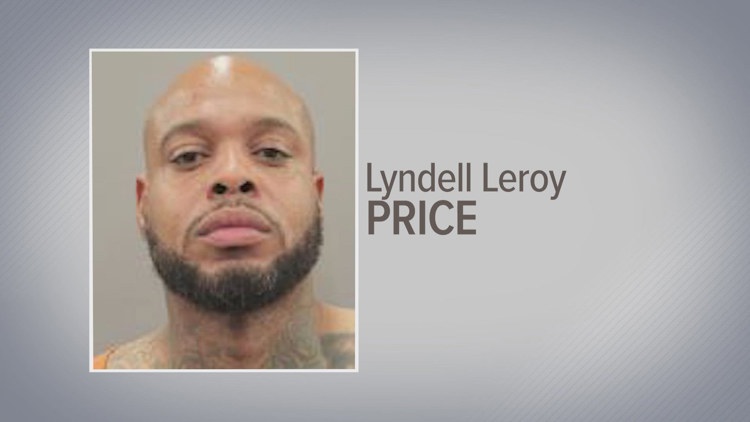
Former Turkey Leg Hut owner sentenced to more than 8 years in federal arson case
By Lila Ramirez
Advertisement · Why this ad?
Carlos Morales, a journalism graduate from the University of Texas at Austin, has 4 years of reporting experience with local publications in the Houston area. He focuses on community interests, local events, and cultural stories that highlight Pearland's rich diversity and community spirit.
More from Carlos →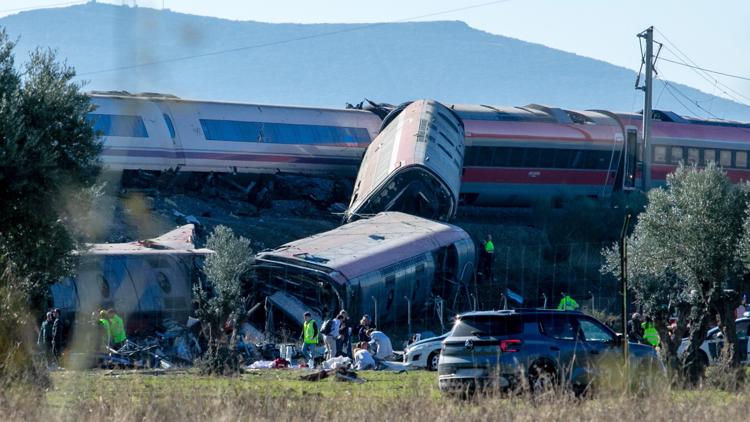
On a warm Wednesday afternoon, the sun cast a golden hue over the Spanish countryside, a stark contrast to the tragedy that was about to unfold. As passengers settled into their seats aboard a high-speed train, excitement buzzed in the air, with conversations filled with dreams of reunions, adventures, and new experiences. But in an instant, that excitement turned to horror. In a catastrophic moment, the train collided with another train that had come to an unexpected halt, leading to a devastating high-speed crash that would claim the lives of at least 68 individuals and leave countless others injured.
On the fateful day of the accident, reports indicate that a high-speed train traveling from Madrid to Ferrol struck the rear of a stationary train at a station in the province of Galicia. The collision occurred around 4:30 PM local time, resulting in two cars derailing and a scene of chaos that would haunt the nation for years to come. Emergency services rushed to the site, and images from the scene showed the wreckage of the trains strewn across the tracks, smoke rising as first responders worked tirelessly to rescue survivors.
Eyewitnesses described the harrowing moments that followed the crash. “It was like a nightmare,” said Maria López, who was on board the train. “One moment we were traveling smoothly, and the next, everything turned upside down.” The Spanish authorities quickly mobilized rescue operations, with over 200 emergency personnel dispatched to the scene.
As news of the crash spread, the nation held its breath, hoping for the best but fearing the worst. The tragic incident left not only a physical toll but also a deep emotional scar on families and communities across Spain. The government has confirmed that they are investigating the cause of the accident, with preliminary reports suggesting a potential signal failure that led to the collision.
The impact of the train crash reverberated far beyond the immediate vicinity of the accident site. In towns and cities across Spain, people gathered in solidarity, holding vigils and prayer services for the victims and their families. Community leaders expressed their sorrow and support, emphasizing the strength of unity in times of tragedy.
“This is a day of mourning for all of us,” said Javier Martínez, the mayor of a nearby town. “Our hearts go out to the families affected by this unimaginable loss. We must stand together as a community to support one another.” Local churches opened their doors, offering a space for people to come together, pray, and reflect on the fragility of life.
In the wake of the disaster, various organizations and community groups quickly mobilized to provide assistance to the victims' families. Fundraising efforts began almost immediately, with donations pouring in to support those who lost loved ones and to aid in the recovery of the injured. Local businesses offered their services, providing meals and shelter to first responders and families affected by the tragedy.
“It’s heartwarming to see how our community has come together during this difficult time,” said Ana García, a local business owner. “We are all in this together, and we will do whatever it takes to support those in need.” Fundraising events are planned throughout the coming weeks, with the goal of raising funds to assist the victims and their families as they navigate this challenging period.
As investigations continue, the focus shifts to understanding the circumstances that led to this tragic event. The Spanish government has pledged to conduct a thorough investigation into the crash, ensuring that all aspects are examined to prevent such a tragedy from occurring in the future. This commitment to safety is crucial, particularly in a country where rail travel is a common mode of transportation for millions.
In the coming weeks, families will continue to grapple with their loss while seeking answers. The emotional toll of the crash cannot be understated, and support services are being made available to help those affected cope with their grief. Mental health professionals are stepping up to provide counseling and support, recognizing the long-lasting impact that such a traumatic event can have on individuals and communities.
In times of tragedy, the resilience of a community shines through. The spirit of togetherness displayed by the people of Spain serves as a powerful reminder of the strength that can be found in unity. As they mourn the loss of their loved ones, the community is also coming together to celebrate their lives, sharing stories and memories that honor their legacy.
“We will remember them,” said María, a local resident. “Their lives mattered, and we will ensure their memories live on in our hearts.” This sentiment resonates deeply, as communities across the nation rally together, not just to grieve, but to support one another through the healing process.
As the investigation unfolds, the focus will also be on implementing changes that enhance safety measures within the rail system. This incident has sparked discussions about the importance of regular maintenance and upgrades to infrastructure, ensuring that the tragic loss of life is not in vain.
The ramifications of this accident extend into various sectors, including tourism and transportation. Spain is known for its robust rail network, which serves as a lifeline for many, connecting remote areas with urban centers. The crash has raised concerns among travelers regarding the safety of high-speed trains, which are often touted as one of the fastest and most efficient means of transportation in Europe. Local tourism operators are already reporting cancellations and a decline in bookings, as potential visitors express apprehension about traveling by train.
In addition to immediate safety concerns, this incident has reignited discussions about the need for comprehensive safety regulations and oversight in the rail industry. Experts are calling for a review of safety protocols and a push for more stringent regulations to ensure that such accidents do not happen again. “We need to take this opportunity to reassess our rail safety standards,” said Antonio Ruiz, a transportation safety advocate. “It is crucial that we learn from this tragedy to protect future generations.”
The high-speed train crash in Spain serves as a somber reminder of the unpredictability of life. As families come to terms with their loss, the outpouring of support from the community showcases the enduring human spirit. It is a testament to the strength of committed families and the importance of standing together in times of crisis.
As Spain navigates the road to recovery, the hope remains that lessons learned from this tragedy will pave the way for a safer future. The resilience of the community, coupled with the efforts of investigators and support organizations, will be vital in healing the wounds left behind by this heartbreaking event.
By Lila Ramirez

By Lila Ramirez

By Derek Wilson
By Lila Ramirez